
ENGLISH EDITION
Addressing Microneedle Scale-Up with the RT-SMP® Room-Temperature Printing Process (Translation)
This article examines common microneedle scale-manufacturing barriers and the process strategy behind CASMN’s RT-SMP® room-temperature printing platform.
Read the original Chinese article: 微针量产困局如何破解?RT-SMP®常温印刷工艺打造"中国方案" →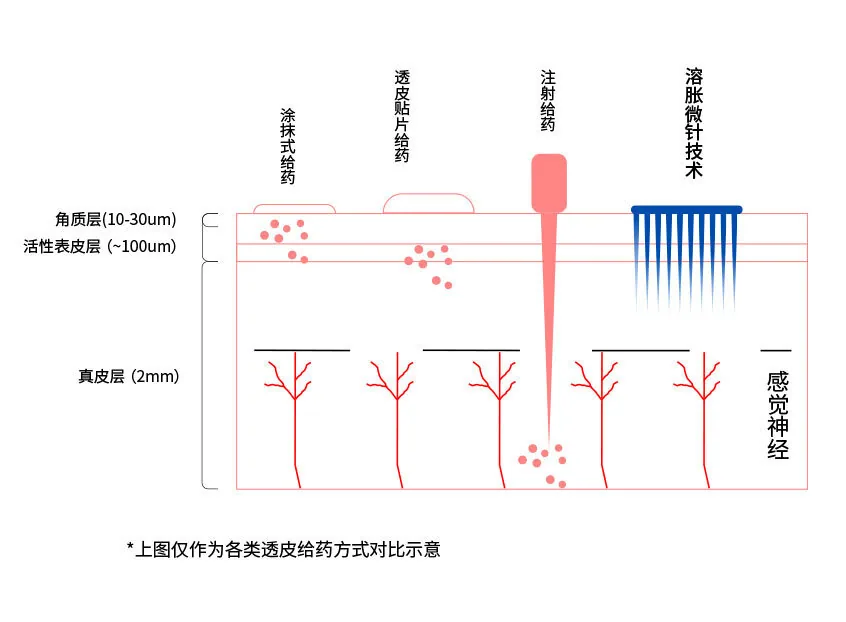
This article considers manufacturing scale-up as a barrier between microneedle research and practical product development. CASMN presents RT-SMP® room-temperature printing as its process approach to that problem.
Limitations of conventional preparation
The source contrasts room-temperature forming with methods involving demanding temperature conditions or trade-offs between throughput and structural precision. Different processes have different uses; the comparison is the company's process-development perspective rather than a universal ranking.

Three process elements
- In-situ forming: one-sided negative pressure helps a viscous formulation fill mould microcavities at room temperature.
- Laminar-flow tunnel drying: the source reports a processing-area rate of 432,000 cm² per hour under its stated manufacturing context.
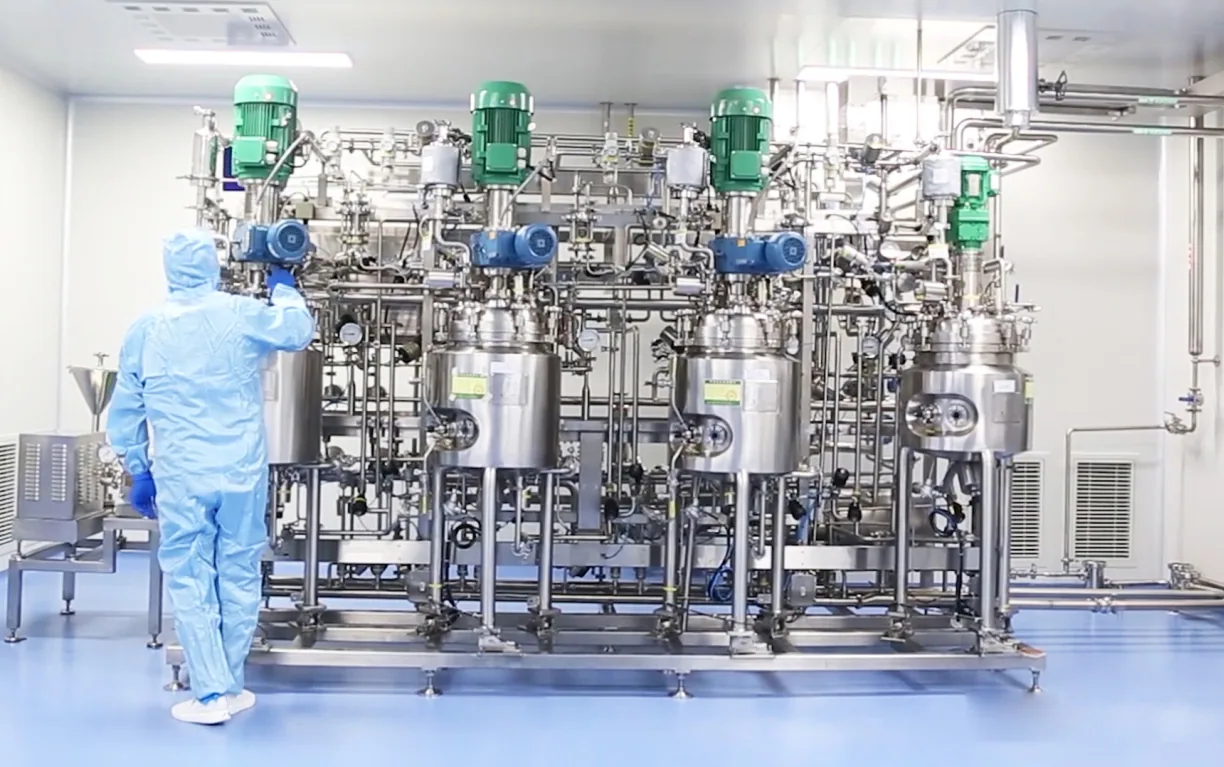
- Integrated preparation: solution preparation, degassing and sterilisation-related operations are described as integrated into one vessel.

Structures and applications
The platform supports work on dissolving and swelling polymer microneedles with adjustable structural parameters. Cosmetic, medical-device and pharmaceutical uses require separate development and regulatory assessment.
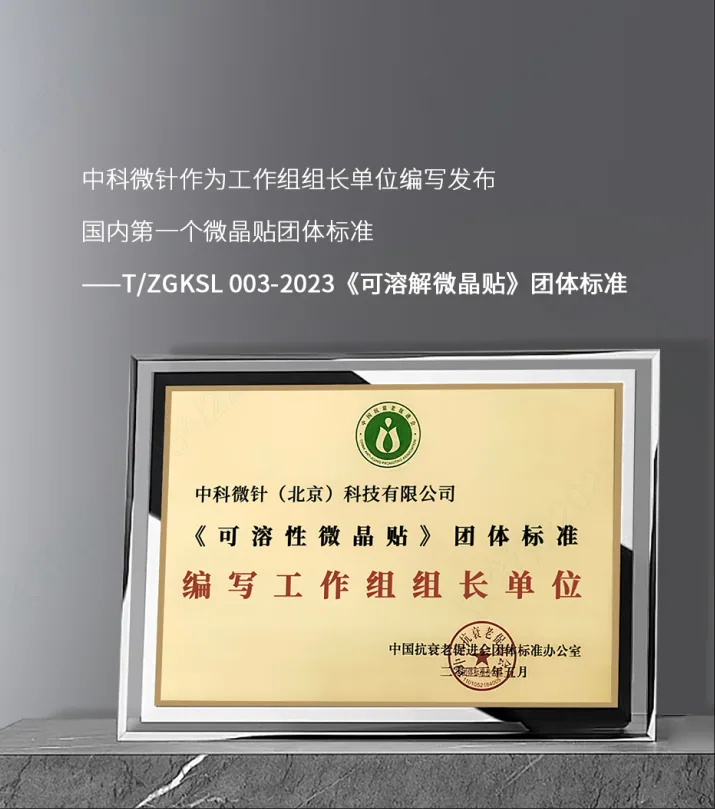
The source reports a Class II registration and manufacturing licence for a microneedle transdermal patch. That registration applies to the specified product and scope, not to every structure made by the process.