ENGLISH EDITION
Bilayer Core–Shell Microneedle Patches for Long-Acting Osteoporosis Research (Translation)
A research overview of a bilayer core–shell microneedle patch designed to support sustained drug delivery in osteoporosis treatment research.
Read the original Chinese article: 双层核壳微针贴片助力骨质疏松长效治疗 →A research team led by CASMN founder Yunhua Gao developed an alfacalcidol-loaded bilayer core–shell microneedle system (ALF-DCSMN) to investigate sustained delivery for osteoporosis. The work was published in the Journal of Controlled Release.
The Chinese report places the study in the context of osteoporosis-related fractures, quoting nearly nine million fractures annually worldwide and a prevalence of 19.2% among people over 50 in China. These are background figures from the source, not findings of the microneedle experiment.

Microspheres, microneedles and controlled release
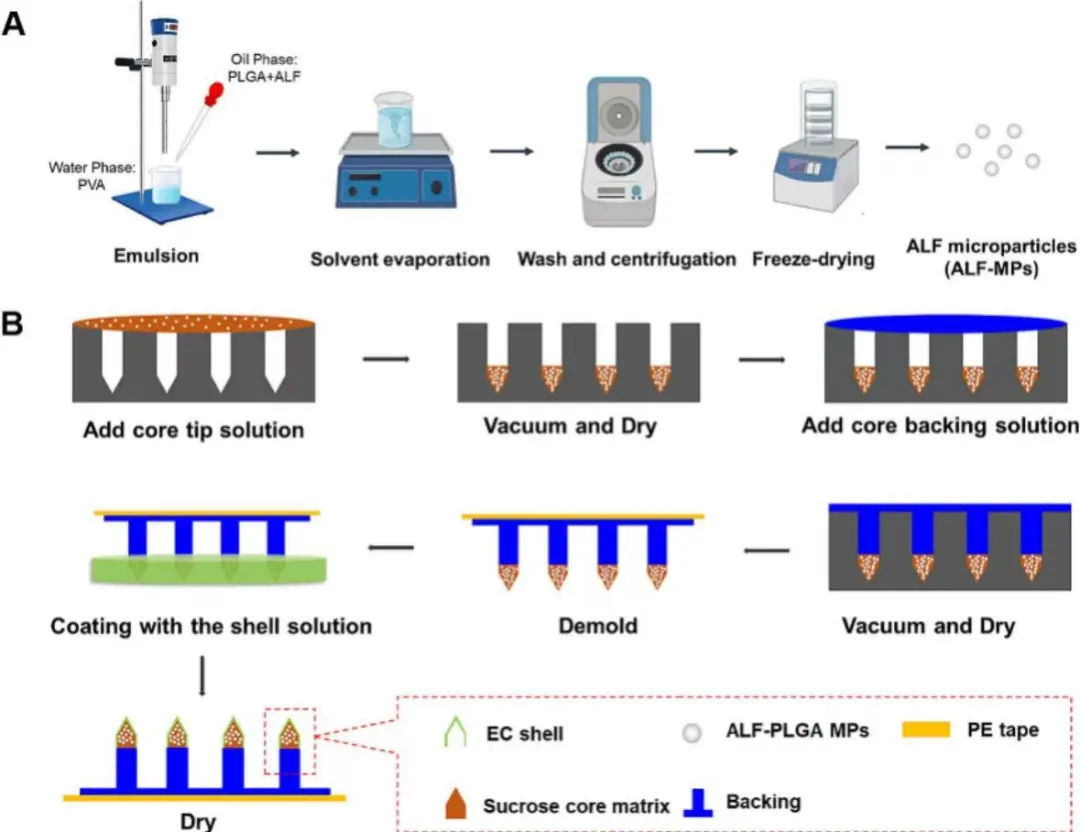
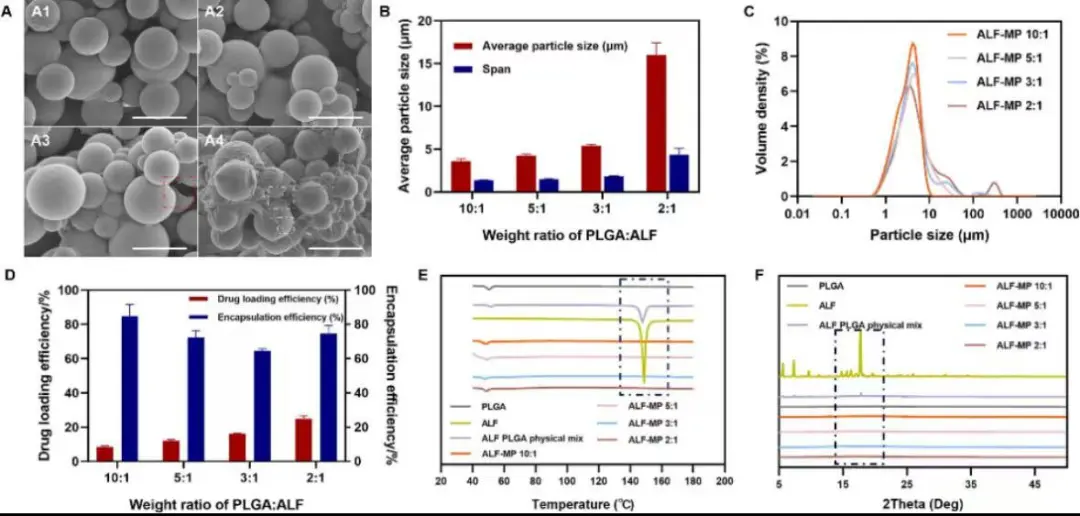
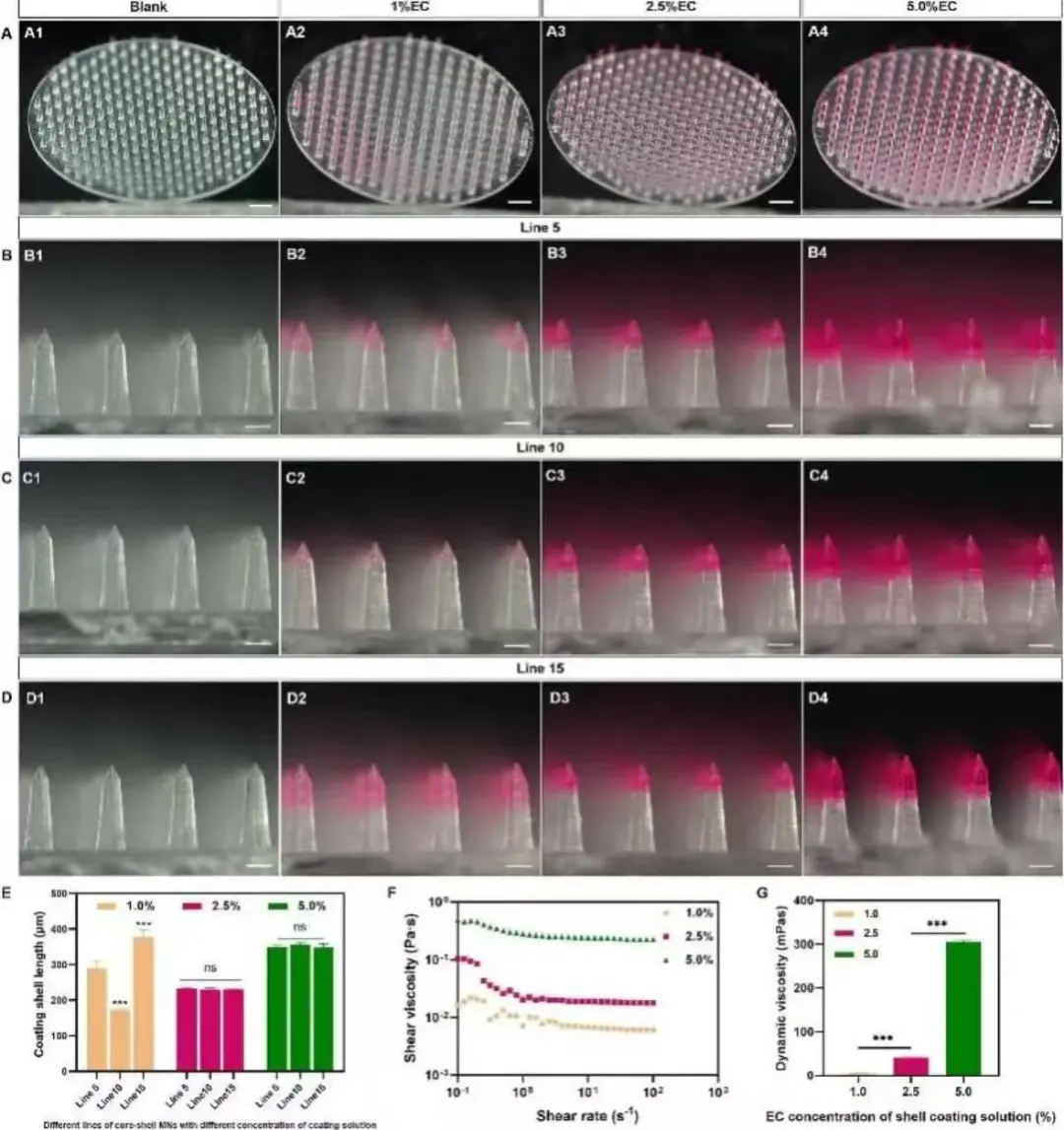
Alfacalcidol (ALF) is incorporated into biodegradable PLGA microspheres. The bilayer structure combines an ALF–PLGA microsphere core with an ethylcellulose shell intended to regulate release.
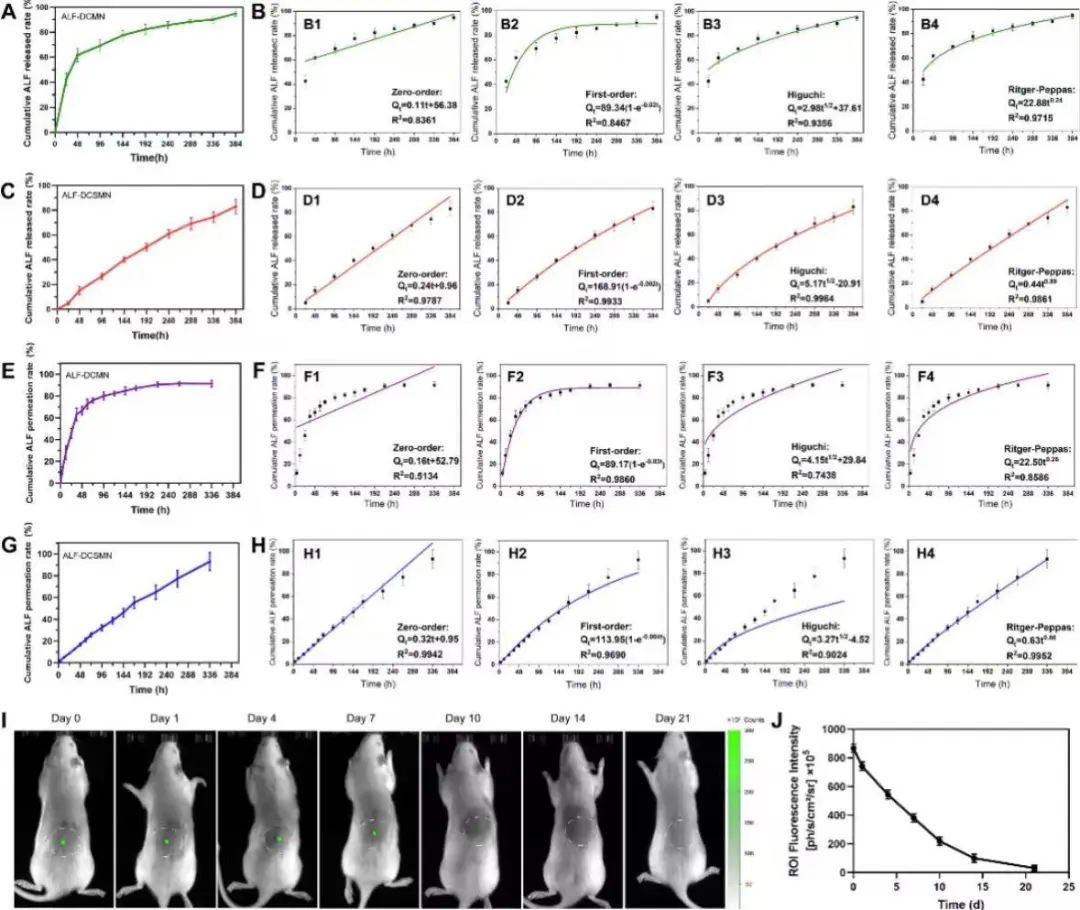
The source reports a 4.9% initial release over 24 hours, release sustained over 14 days, insertion efficiency of 96.49 ± 1.92% and delivery efficiency of 87.94 ± 2.66%. These values apply to the reported experiments and their test conditions.
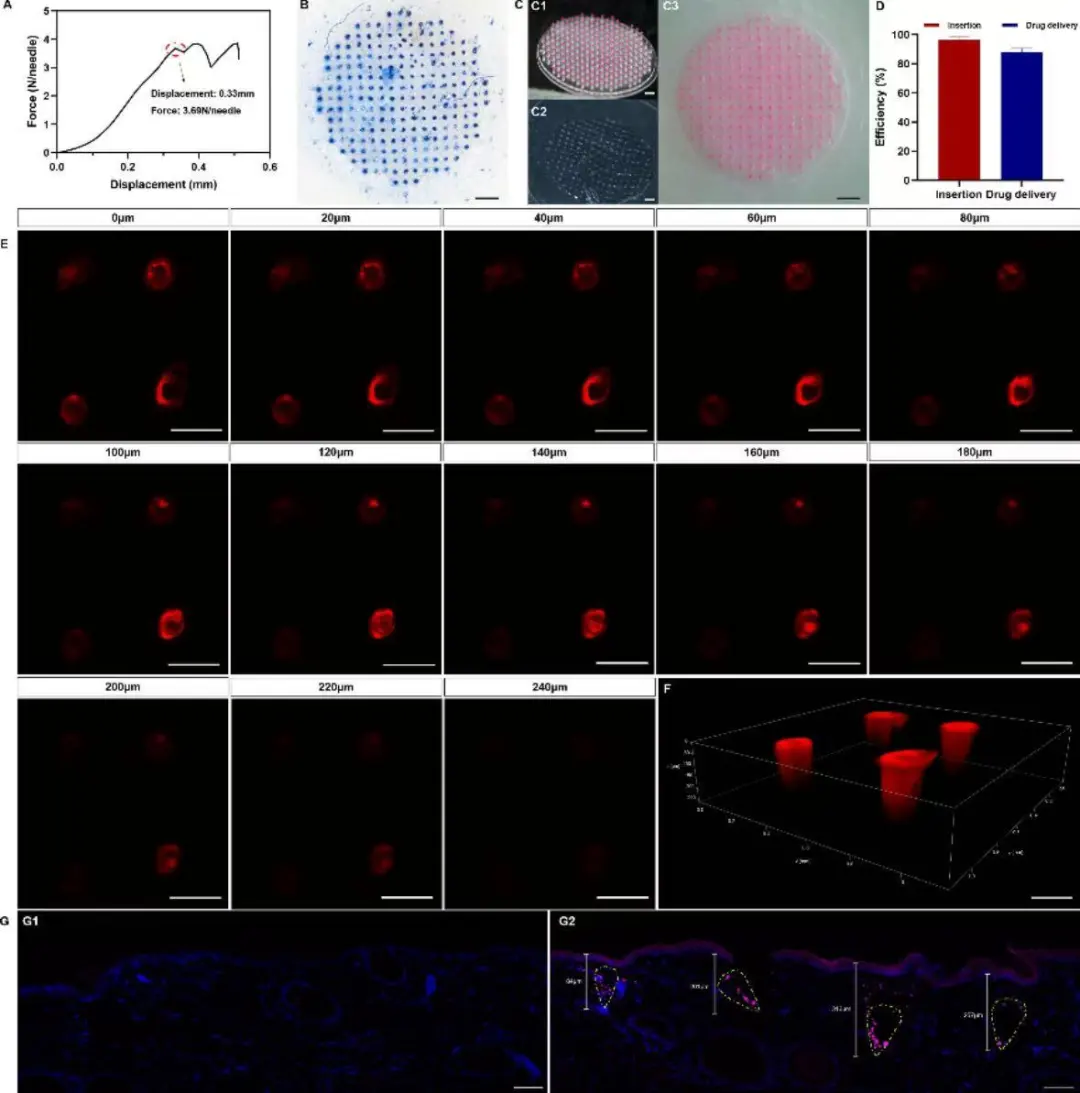
Toward less frequent administration
The research explores a two-week delivery interval as an alternative development direction to daily oral ALF. It does not establish a recommended human dosing schedule or an approved replacement for tablets.
The article discusses adapting the platform to other molecules and release profiles, including research directions involving diabetes, Alzheimer's disease and rheumatic conditions. These remain potential applications requiring separate evidence.