
ENGLISH EDITION
Dissolving Hematoporphyrin Microneedles for Port-Wine Stain Research (Translation)
A research-focused overview of dissolving hematoporphyrin microneedles and their potential to address delivery challenges in port-wine stain treatment.
Read the original Chinese article: 血卟啉溶解微针破解葡萄酒色斑治疗难题 →This research report discusses hematoporphyrin-loaded dissolving microneedles (HP-DMNs) for investigating local delivery in port-wine stains. The source attributes the work to Chongqing's food and drug inspection institute, CASMN, the Technical Institute of Physics and Chemistry of the Chinese Academy of Sciences and Shandong University of Traditional Chinese Medicine, with publication in Polymers.
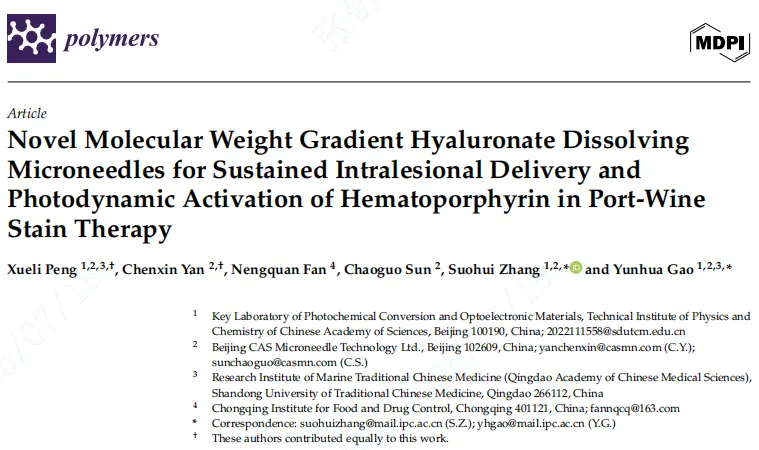
The delivery problem
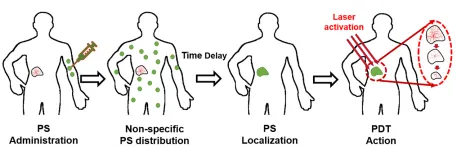
The source identifies systemic exposure after intravenous administration, limited delivery from conventional topical formulations, and the balance between mechanical strength and dissolution as research challenges. It quotes background figures of 3–5 affected newborns per 1,000, phototoxicity in approximately 42% of patients in cited contexts, and topical permeation below 1%; these figures require their original study context and are not universal clinical estimates.
Formulation and structure
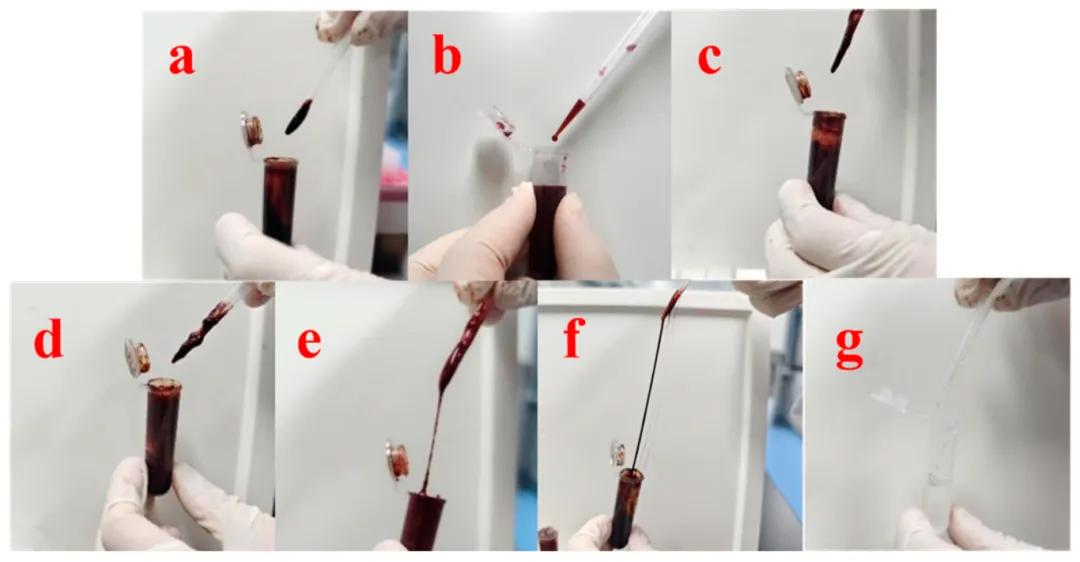
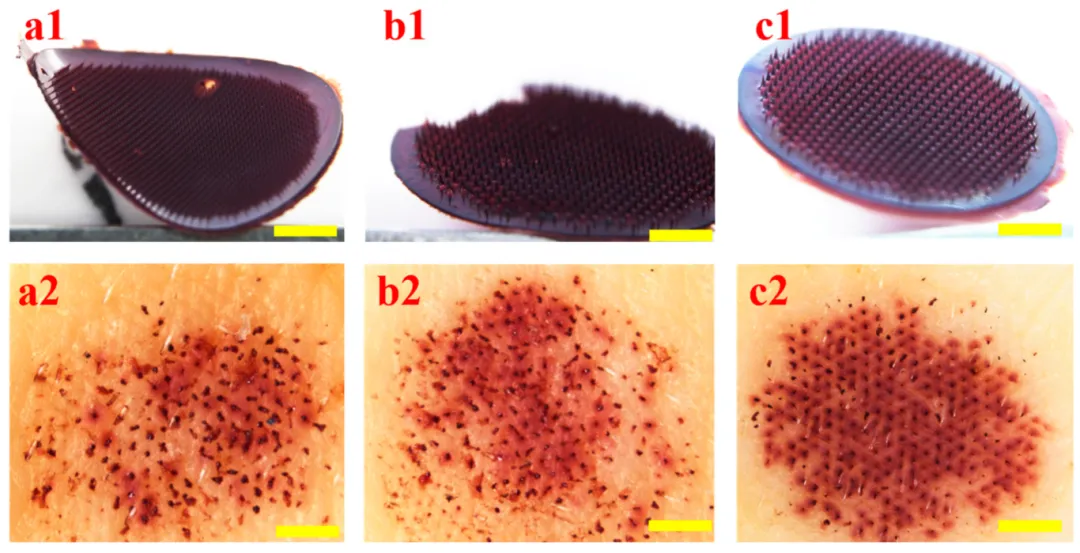
The reported formulation combines 6% higher-molecular-weight hyaluronic acid with 2% lower-molecular-weight hyaluronic acid. This molecular-weight approach was investigated to balance insertion strength with dissolution.
The Chinese report states that more than 90% of the tips dissolved within 30 minutes and cumulative permeation reached 20.07% at 24 hours, described as approximately 20 times the topical comparator. These are study-specific experimental observations, not established patient outcomes.

Potential value and evidence limits
The source discusses reduced systemic exposure, local concentration and storage stability as potential advantages. It quotes exposure reduction above 90%, local concentration above eight times a systemic comparator, and three-week stability between −20°C and 40°C. The original experimental methods and comparators must be consulted before these findings are reused; they do not establish a clinical light-avoidance schedule or a universal cold-chain exemption.

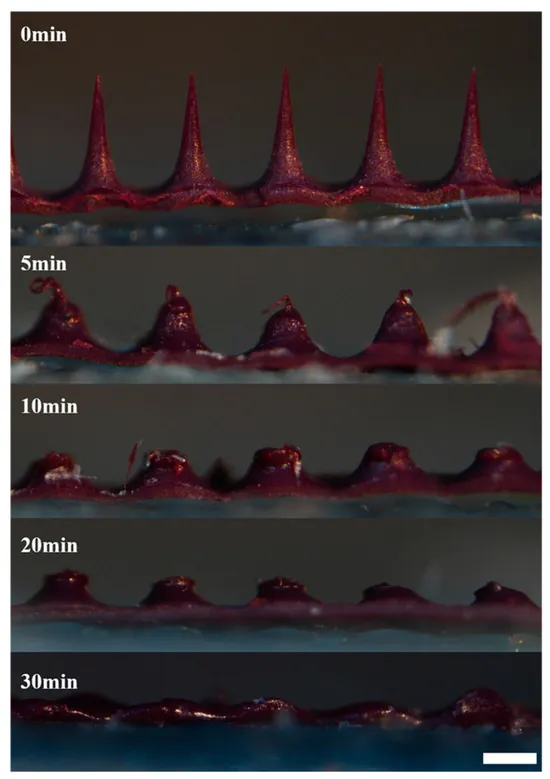
The molecular-weight design strategy may inform other photosensitiser-delivery research, including oncology and local psoriasis applications. This article describes research, not an approved treatment or advice for patients.