ENGLISH EDITION
Room-Temperature Printing Helps Overcome Cosmetic Microneedle Industrialization Barriers (Translation)
The article explains how flexible polymer microstructures can target the stratum corneum and how room-temperature printing supports cosmetic product development and scale-up.
Read the original Chinese article: 微针技术破局化妆品应用瓶颈,常温印刷法推动产业化落地 →
Three manufacturing challenges
The interview distinguishes flexible dissolving polymer microcrystals for cosmetic development from other microneedle uses. It discusses temperature-sensitive ingredients, low production efficiency and limited flexibility of needle parameters as challenges for conventional forming processes.
The source describes testing at Shanghai Skin Disease Hospital of specific flexible structures below 200 micrometres. The reported observation should not be generalised into a universal depth or cosmetic-classification threshold: the actual product and evidence matter.
Building manufacturing capability
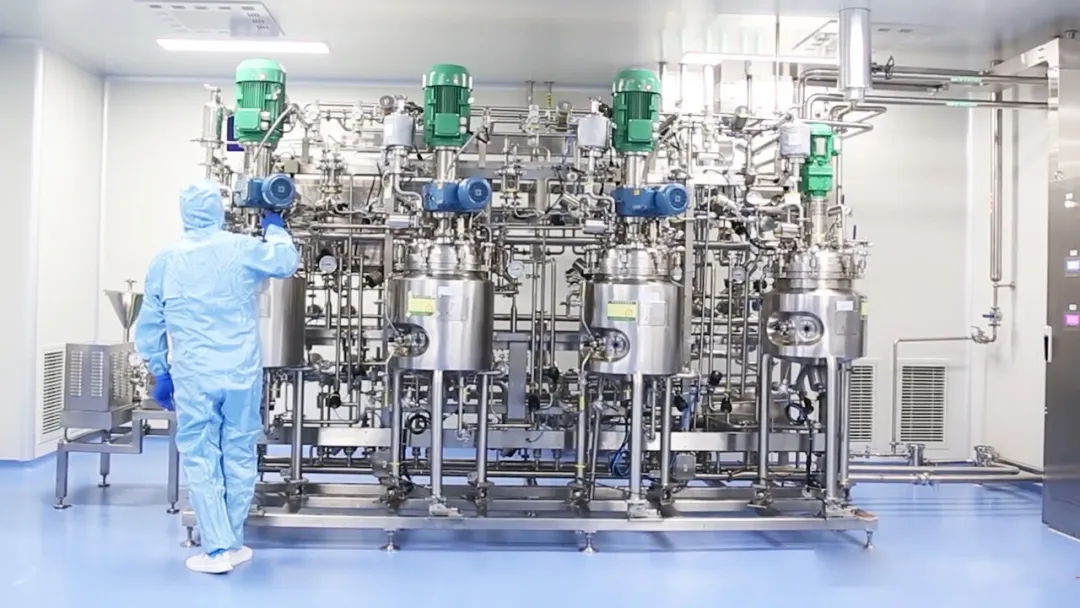
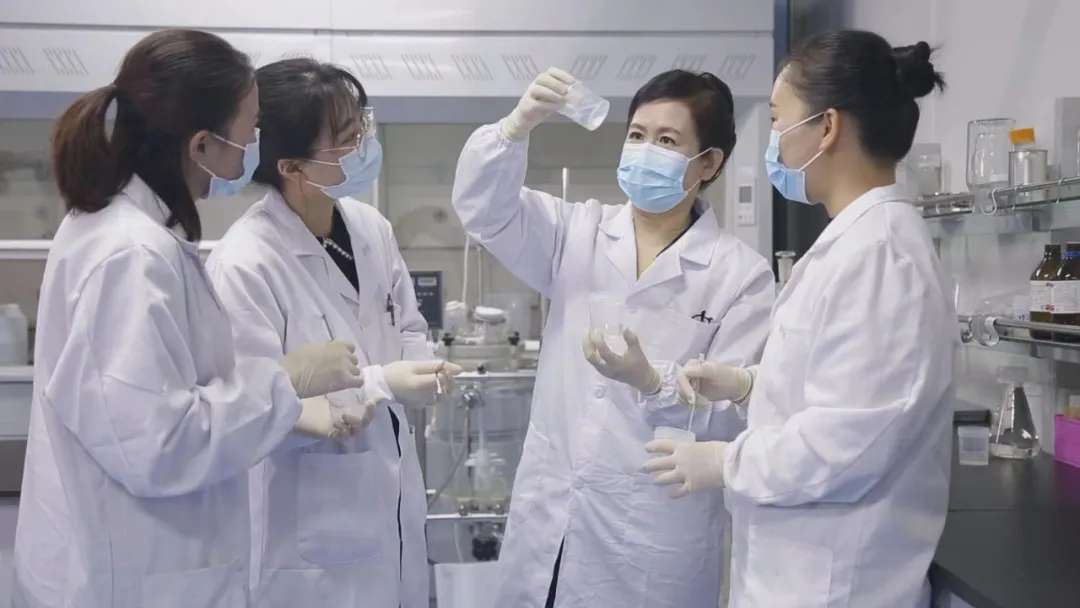
When industrialisation work began in 2019, the team reported that suitable off-the-shelf equipment was unavailable. It developed equipment for more than ten operations, including solution preparation, degassing, printing, drying and film application. The article describes the subsequent scale-up to reported annual cosmetic-patch capacity of 150 million patches.
Classification and market acceptance
The interview discusses a November 2024 regulatory clarification concerning products applied to the skin surface. This historical discussion is not a blanket classification decision for all microneedles. It also reports repurchase above 30% in certain partner-brand private channels; that observation is limited to the source's stated context and is not a general efficacy measure.
Standards and safety evidence
The source identifies group standard T/ZGKSL 003-2023 for dissolving microcrystal patches, describes a 300-micrometre upper design limit and additional experimental requirements above 200 micrometres. These are statements about that standard, not permission to make unverified penetration or regulatory claims for a new product.