
ENGLISH EDITION
Why Functional-Skincare Brands Should Watch Dissolving Microcrystal Patches (Translation)
An overview of the delivery principle, product differentiation and industrial-development opportunities of dissolving microcrystal patches for functional skincare.
Read the original Chinese article: 入局功效护肤,为什么品牌需要关注可溶性微晶贴? →The original market commentary highlights growing interest in dissolving microcrystal patches within functional skincare. Its quoted forecasts cover different categories and should not be combined as if they measured one market.
Market estimates in context
The source cites a broad microneedle-related equipment forecast of US$70.09 billion in 2026 and US$145.12 billion in 2035, with 8.3% compound annual growth. Separately, it cites cosmetic microneedle-patch revenue of approximately RMB 3.696 billion in 2025 and RMB 5.703 billion by 2032, and a dissolving-patch segment estimate of US$194 million in 2026 with 12.08% annual growth. These are historical third-party projections quoted by the article, not verified CASMN sales or current market measurements.
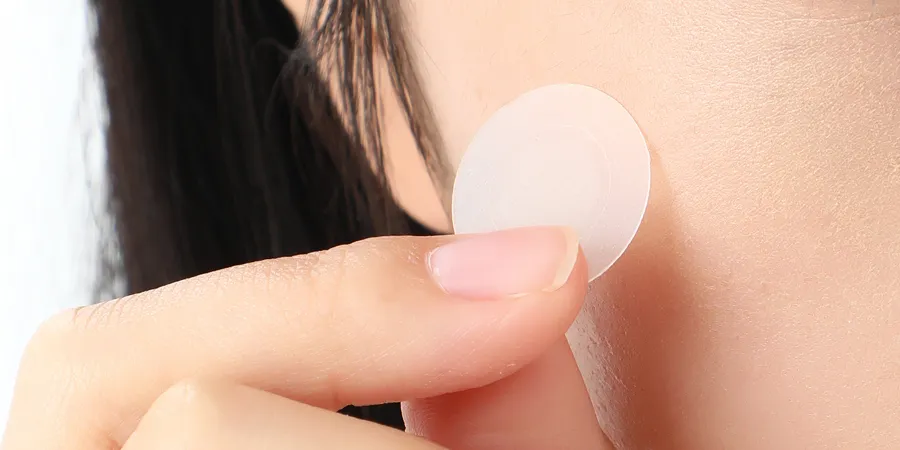

From ingredient selection to delivery design
Skincare competition has often focused on ingredients such as niacinamide, retinoids and peptides. The article instead considers the interaction between formulation and the skin barrier. Dissolving microcrystal arrays offer a localised delivery format, but performance and comfort must be demonstrated for the particular formulation and structure; universal absorption or pain-free claims are not established by the format alone.
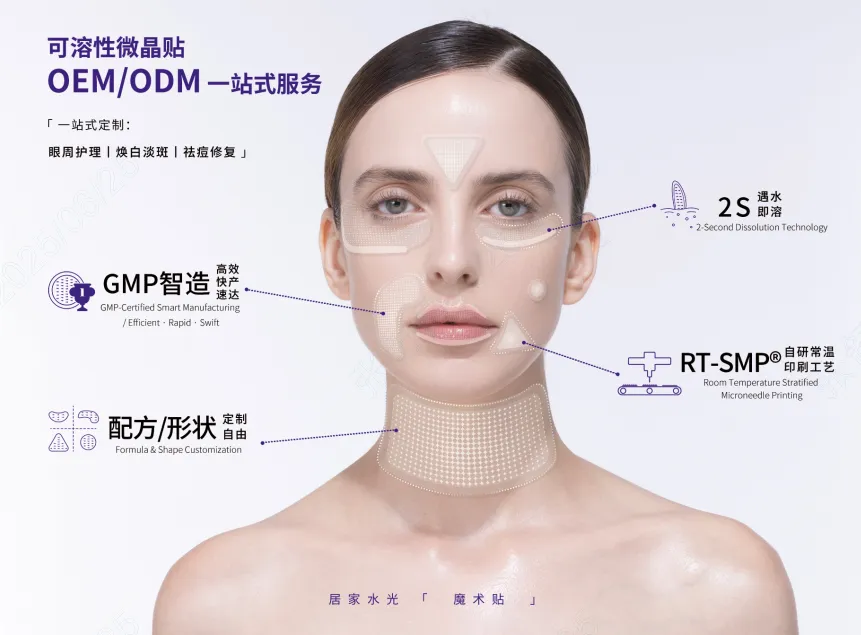
Product and channel development
The source reports eye patches as a leading category, with a share above 70%, online sales around 60% and offline sales around 40%, and an average cosmetic-patch price of US$133.5 per unit in 2024. The underlying category definitions and unit basis require checking before these figures are used for a business forecast.
The article identifies two potential drivers: demand for substantiated skincare benefits and manufacturing processes that can support scale. It presents RT-SMP® as CASMN's process response, alongside the Beijing development and Chongqing manufacturing model and reported annual cosmetic-patch capacity of 150 million patches.
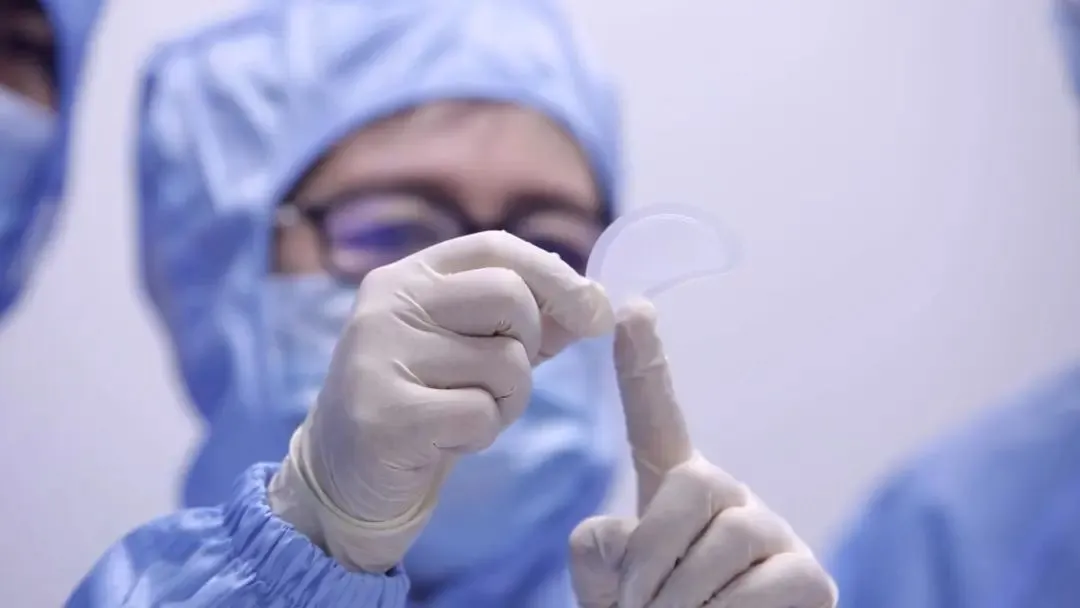
Support for brand development
Services discussed include formulation development, mould customisation, production and packaging. The source lists ISO 22716, GMPC, ISO 9001 and ISO 13485 certifications and describes the 2022 assessment of RT-SMP® technology.
Sources named in the original commentary include QYResearch, Betzers Consulting, Global Information, Frost & Sullivan and 360iResearch. Exact editions and category definitions should be verified before reusing the market estimates.