
ENGLISH EDITION
Topical Skincare, Aesthetic Procedures or Microcrystal Patches: How Should You Choose? (Translation)
This article compares conventional topical skincare, aesthetic procedures and dissolving microcrystal patches by delivery mechanism, user experience, cost and suitable use cases.
Read the original Chinese article: 涂抹、医美、微晶贴:三种护肤方式如何选择? →Topical skincare, professional aesthetic procedures and dissolving microcrystal patches serve different purposes. Understanding their delivery mechanisms, costs and use settings is more helpful than treating them as interchangeable alternatives.
Topical skincare: the everyday foundation
Lotions, serums and creams are convenient, available at many price points and commonly used for moisturising and routine care. The stratum corneum is a natural barrier, so ingredient delivery depends on the molecule, formulation and condition of the skin. A topical product's performance cannot be inferred from the ingredient name alone.
Aesthetic procedures: professional intervention
The source discusses radiofrequency microneedling, injectable treatments and fractional lasers as examples of professional procedures. They differ in mechanism and suitability, and may involve recovery time, redness or crusting. They require professional assessment and are not substitutes for an everyday skincare routine.
Dissolving microcrystal patches: localised care at home
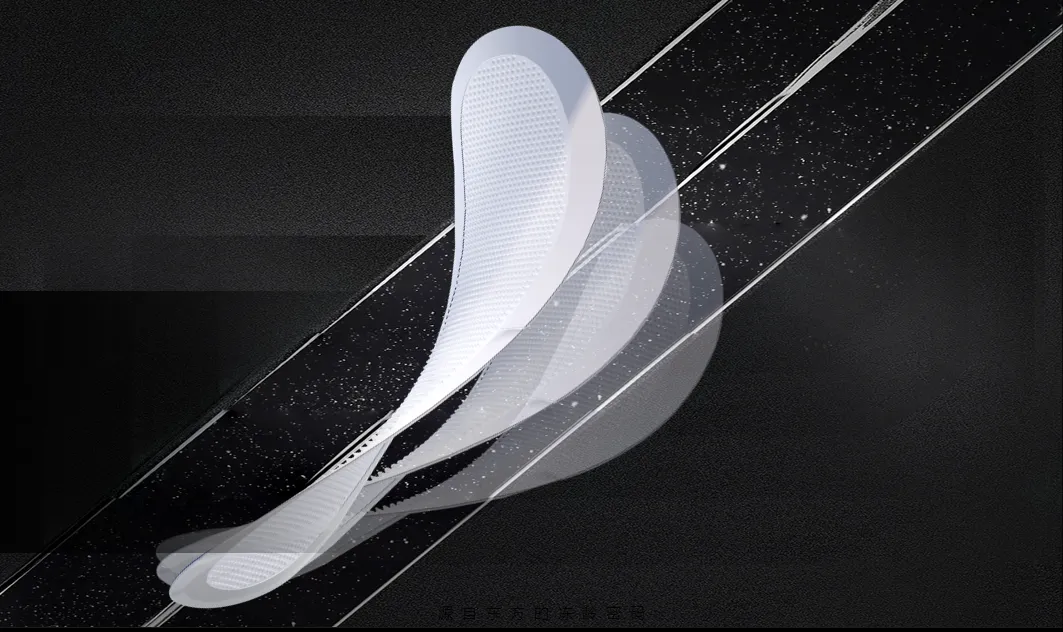
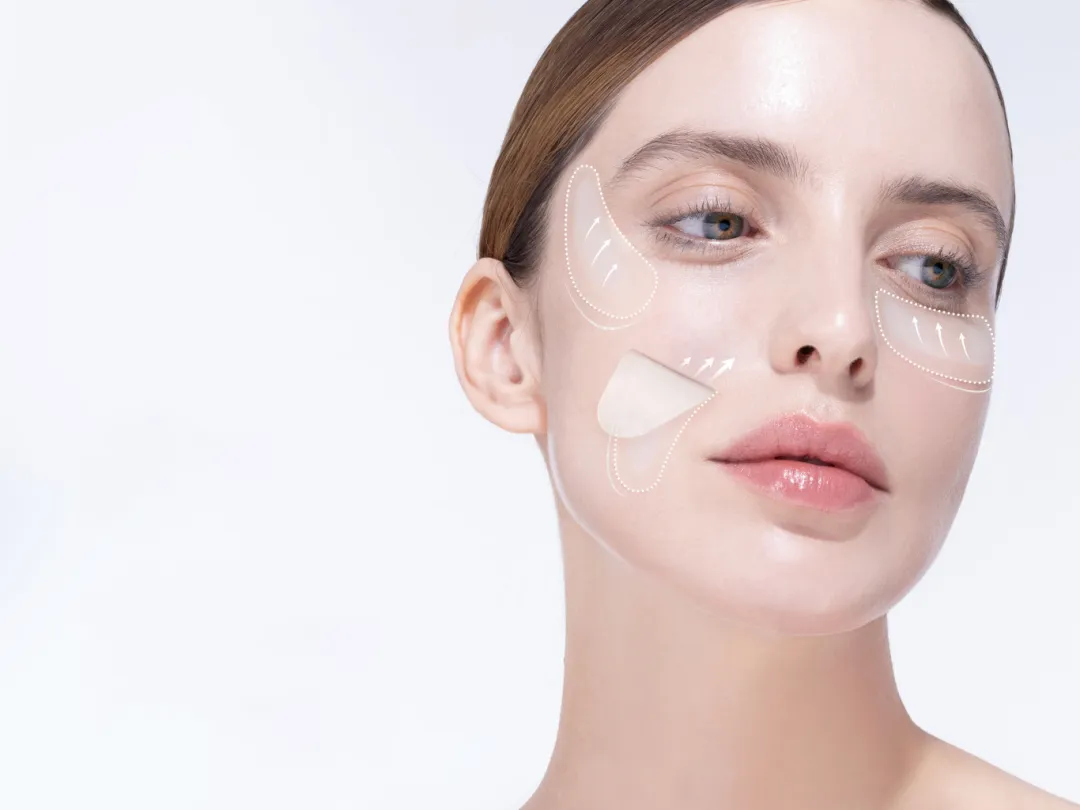
These patches arrange ingredients in microscopic dissolving projections. The format is intended to support localised delivery and convenient application without clinic equipment. Eye-area, blemish-care and pigmentation-care formats address different development needs; their permitted claims depend on the individual product and applicable requirements.
The original article describes a comfortable application experience. This should not be interpreted as a universal guarantee of no pain, no skin reaction or a particular penetration depth. CASMN's RT-SMP® room-temperature printing process supports development and manufacture of such formats; the source states annual cosmetic-patch capacity of 150 million patches.

How the approaches can complement each other
The article positions topical skincare as a routine foundation, professional procedures as an option for assessed concerns, and microcrystal patches as a localised supplementary format. Choice should reflect the intended use, skin condition and product instructions rather than an assumption that one method is always more effective.
CASMN's role is to develop the underlying microneedle technology and support brands in turning suitable concepts into evaluated products.